

Quick Answer
For most home cooks, the Le Creuset Signature Enameled Cast Iron 5.5 Quart Round Dutch Oven is the better pick — The iconic French enameled cast iron Dutch oven and the benchmark contender in the matchup. The Staub Cast Iron 5.5-Quart Round Cocotte Dutch Oven, Matte Black wins on value and is the right call if budget is the deciding factor.
The Le Creuset vs Staub debate has been going on for decades, and the answer is more nuanced than "X is better." Both are heirloom-quality French enameled cast iron, but they're optimized for slightly different things. Here's the short version of when to pick each.
How We Picked These
For this le creuset vs staub dutch oven comparison, we applied the framework laid out in our Editorial Policy: we evaluate materials and construction first, then weight long-term durability heavily — six-month and one-year owner-review patterns matter more than first-week impressions. We hold each candidate to the same criteria (material quality, real-world performance, warranty terms and how the manufacturer actually honors them, and value at each price tier), then note where one option clearly wins, where the difference is marginal, and where the cheaper option is good enough for most people.
1.: Le Creuset Signature Enameled Cast Iron 5.5 Quart Round Dutch Oven

Le Creuset Signature Enameled Cast Iron 5.5 Quart Round Dutch Oven
Le Creuset
- 5.5-quart round capacity — serves 4 to 6
- Cast in Fresnoy-le-Grand, France since 1925
- Sand-colored interior enamel resists staining and shows browning
- Oven-safe to 500°F with a lifetime limited warranty
Why we picked it: The iconic French enameled cast iron Dutch oven and the benchmark contender in the matchup.
2.: Staub Cast Iron 5.5-Quart Round Cocotte Dutch Oven, Matte Black

Staub Cast Iron 5.5-Quart Round Cocotte Dutch Oven, Matte Black
Staub
- 5.5-quart La Cocotte made in Alsace, France
- Matte black enameled interior built for high-heat searing
- Self-basting lid spikes drip condensation back onto food
- Heavy lid with nickel-finished steel knob; oven-safe to 500°F
Why we picked it: Staub's flagship La Cocotte with black matte enamel interior and self-basting lid spikes — the direct rival.
Alternative Pick: Lodge 6-Quart Enameled Cast Iron Dutch Oven
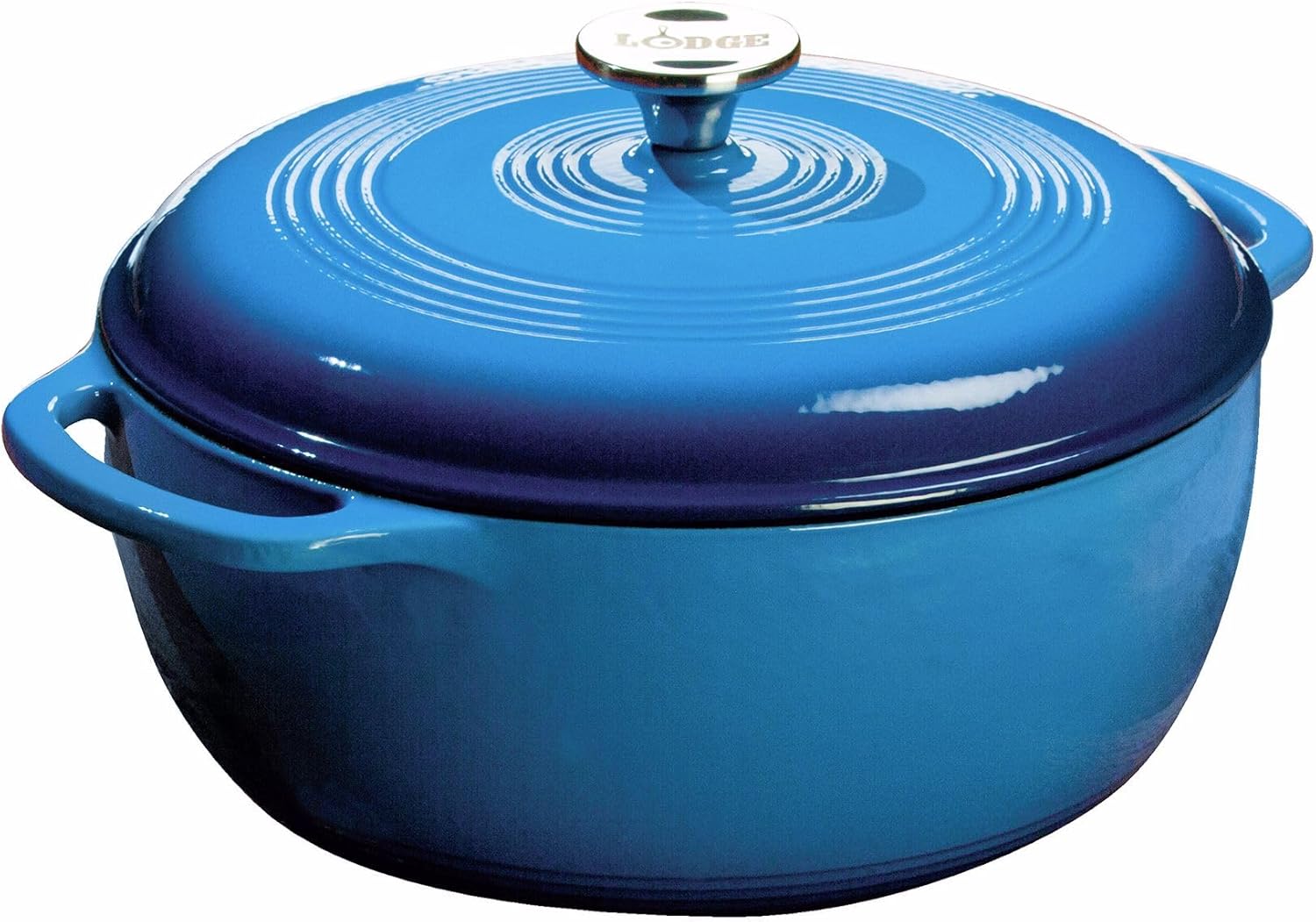
Lodge 6-Quart Enameled Cast Iron Dutch Oven
Lodge
- 6-quart enameled cast iron — slightly larger than Le Creuset 5.5
- Smooth porcelain enamel inside and out; no seasoning required
- Oven-safe to 500°F and induction compatible
- Self-basting lid with stainless steel knob
Why we picked it: The budget-friendly pick for shoppers who want enameled cast iron performance without the French heirloom premium.
The Comparison Table
| Product | Brand | Role | Key spec |
|---|---|---|---|
| Le Creuset | Le Creuset | Contender A | 5.5-quart round capacity — serves 4 to 6 |
| Staub | Staub | Contender B | 5.5-quart La Cocotte made in Alsace, France |
| Lodge | Lodge | Wildcard | 6-quart enameled cast iron — slightly larger than Le Creuset 5.5 |
The Verdict
Get Le Creuset if: you cook a wide mix of dishes, value the lighter interior for monitoring fond development, want the broader color selection, and prefer the slightly lighter weight. Le Creuset is the more versatile everyday Dutch oven.
Get Staub if: you primarily braise meat, sear before stewing, or bake bread. The matte black interior hides developing fond visually but is better suited to direct high-heat searing. The heavier lid with self-basting spikes drips moisture back onto the food during slow cooks — a small but real advantage for stews and pot roasts.
The verdict: For 80% of home cooks, Le Creuset is the better all-around choice. For serious braising-focused cooks and bread bakers, Staub's design choices pay off. The price difference (Staub is usually slightly cheaper) is small enough that it shouldn't drive the decision.
Buyer Scenario Decision Matrix
Stop comparing specs. Start with what you're actually doing, then the right product is obvious:
| Your Situation | Buy This | Skip This | Why |
|---|---|---|---|
| Most people — daily use, no compromises | Le Creuset Signature Enameled Cast Iron 5.5 Quart Round Dutch Oven | Premium-only sets you won't grow into | 5.5-quart round capacity — serves 4 to 6 |
| Budget-conscious or first-time buyer | Staub Cast Iron 5.5-Quart Round Cocotte Dutch Oven, Matte Black | Premium upgrade you may not need yet | 5.5-quart La Cocotte made in Alsace, France |
| Heavy daily use, splurge, or buy-once-keep-forever | Lodge 6-Quart Enameled Cast Iron Dutch Oven | Cheaper sets — you'll outgrow them | 6-quart enameled cast iron — slightly larger than Le Creuset 5.5 |
Bottom Line: Which Should You Buy?
For most people: the Le Creuset Signature Enameled Cast Iron 5.5 Quart Round Dutch Oven. The iconic French enameled cast iron Dutch oven and the benchmark contender in the matchup.
On a budget: the Staub Cast Iron 5.5-Quart Round Cocotte Dutch Oven, Matte Black. Staub's flagship La Cocotte with black matte enamel interior and self-basting lid spikes — the direct rival.
Worth the splurge: the Lodge 6-Quart Enameled Cast Iron Dutch Oven. The budget-friendly pick for shoppers who want enameled cast iron performance without the French heirloom premium.
Ready to buy?
Jump straight to our top picks on Amazon — prices shown at click-through.
Frequently Asked Questions
Is Le Creuset or Staub better for bread?
Staub, narrowly. The heavier lid creates a slightly better seal for the trapped-steam method of artisan bread baking. But Le Creuset bakes excellent bread too — the difference is small enough that bread alone shouldn't drive your choice.
Why is Staub cheaper than Le Creuset?
Brand premium and color range. Le Creuset has more global recognition and offers 25+ colors; Staub focuses on fewer colors and a more chef-oriented marketing position. The actual construction is comparable and the warranties are similar (both lifetime).
Can I tell the difference in cooking results?
For long braises and stews, not really — once both pots reach 325°F, they cook identically. The differences show up in the user experience: lighter vs heavier, easier vs harder to see fond, smoother vs textured pour.
What is the top-rated pick for Le Creuset vs Staub Dutch oven?
The Le Creuset Signature Enameled Cast Iron 5.5 Quart Round Dutch Oven is our top-rated choice — The iconic French enameled cast iron Dutch oven and the benchmark contender in the matchup. Choose the Staub Cast Iron 5.5-Quart Round Cocotte Dutch Oven, Matte Black if staub's flagship La Cocotte with black matte enamel interior and self-basting lid spikes — the direct rival.
Le Creuset or Staub for bread baking?
Staub edges out for sourdough — the matte-black interior and slightly heavier lid trap steam better, giving a more open crumb and crisper crust. Le Creuset is still excellent and easier to clean; Staub is what serious bread bakers reach for.
Which lasts longer, Le Creuset or Staub?
Both come with lifetime warranties and routinely last 30+ years. Le Creuset's cream-colored interior shows brown staining over time (cosmetic, not functional); Staub's black interior hides it but is harder to see when food is sticking. Either is a buy-it-for-life pot.
Want to dig deeper? See our guides to Best Dutch Oven (2026), Best Cast Iron Skillet (2026), and Best Stainless Steel Cookware Set (2026).