

Smoking is just low, slow, indirect cooking with wood smoke for flavor — and once you understand the rhythm, it's far less intimidating than it looks. The whole game is holding a steady low temperature (usually 225-250°F) for hours and trusting the process. This guide walks through it for any smoker — electric, charcoal, pellet, or offset — from first fire to resting the meat, plus the two things beginners always get wrong: chasing temperature and opening the lid too much.
Step-by-step
Set up for indirect, low heat
Smoking means the meat is never directly over the heat source. On a bullet or offset that's the whole design; on a charcoal grill, bank the coals to one side. Aim for a steady 225-250°F for most cuts. Get the smoker stabilized at your target temp before the meat goes on — chasing temps with cold meat already inside is how cooks get frustrated.
Add wood for smoke — but don't overdo it
Add a few wood chunks or a tray of chips for flavor. You want a thin, blue-tinted smoke, not thick white billows — heavy white smoke makes food bitter. Good all-purpose woods are hickory and oak for beef and pork, apple or cherry for poultry and a sweeter note. A little wood goes a long way; you don't need to reload constantly.
Use a water pan for stability and moisture
On most smokers, a pan of water near the heat acts as a thermal buffer that smooths out temperature swings and keeps the chamber humid, which helps bark form and prevents the surface drying out. Keep an eye on it during very long cooks and top it up if it runs low.
Manage temperature with airflow
On charcoal and offset smokers, temperature is controlled by the vents (dampers), not by adding fuel constantly. Open vents = more oxygen = hotter; closing them down lowers the temp. Make small adjustments and wait 10-15 minutes to see the effect. On electric and pellet smokers, the controller handles this for you — just set the dial.
Stop opening the lid
Every time you open the smoker you lose heat and smoke and add 15+ minutes to the cook — 'if you're lookin', you ain't cookin'.' Use a leave-in probe thermometer with one probe in the meat and one in the chamber so you can monitor everything without lifting the lid. Only open to wrap, spritz, or wrap up.
Push through the stall, then cook to temp and rest
On big cuts, the internal temp will stall around 150-170°F for a while as moisture evaporates and cools the surface — this is normal. Be patient, or wrap the meat (the 'Texas crutch') to push through it. Cook to the right internal temperature and feel, not the clock: ribs bend and crack, brisket and pork shoulder probe like butter around 200-205°F. Then rest the meat, loosely tented, for at least 20-30 minutes before slicing.
Recommended Gear
The gear we'd reach for. Prices shown on Amazon at click-through.
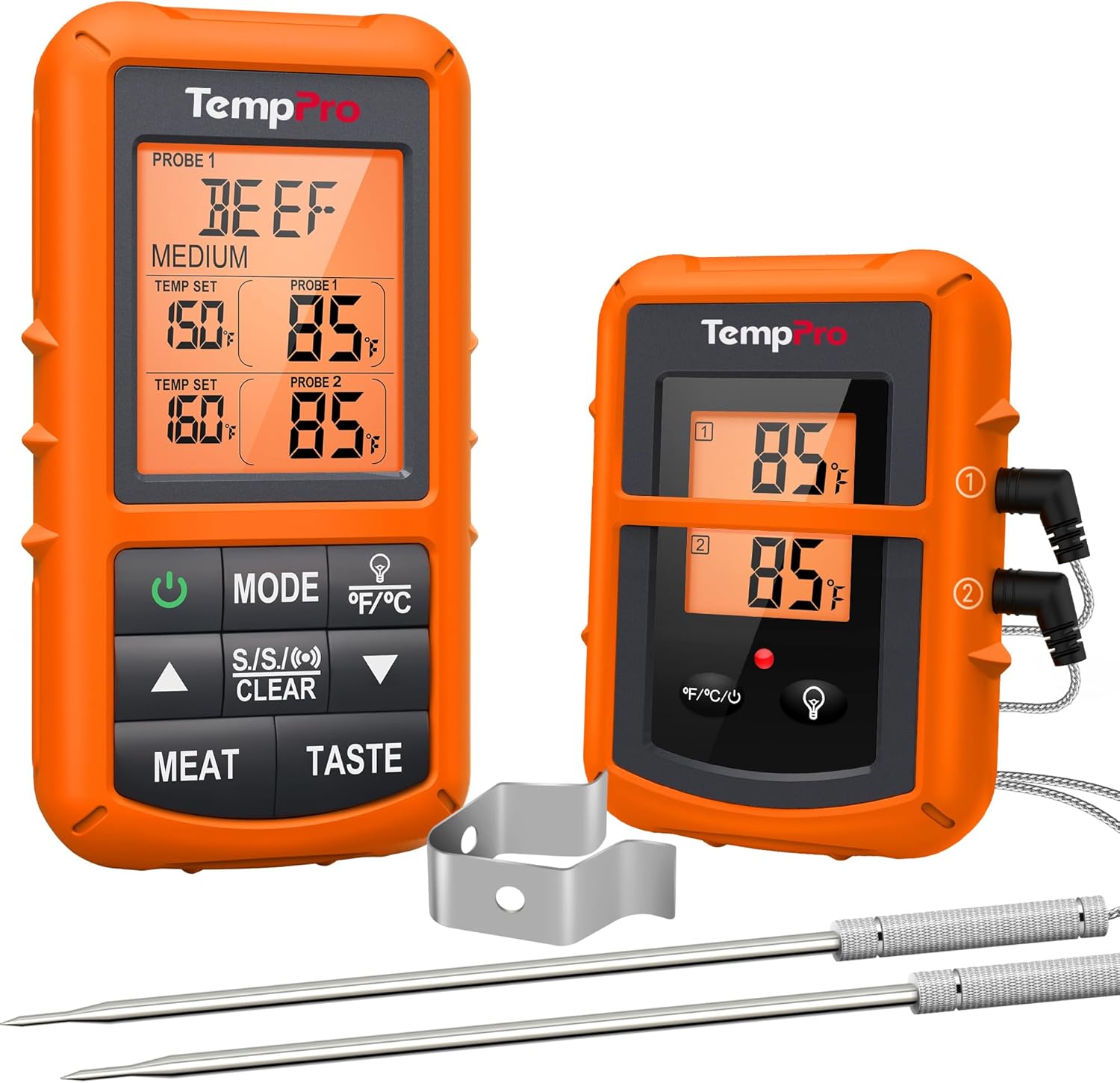
TempPro TP20 Wireless Dual-Probe Meat Thermometer
budget-friendly
Two probes — one in the meat, one clipped in the chamber — let you watch both temps from across the yard without opening the smoker.
Check Price on Amazon →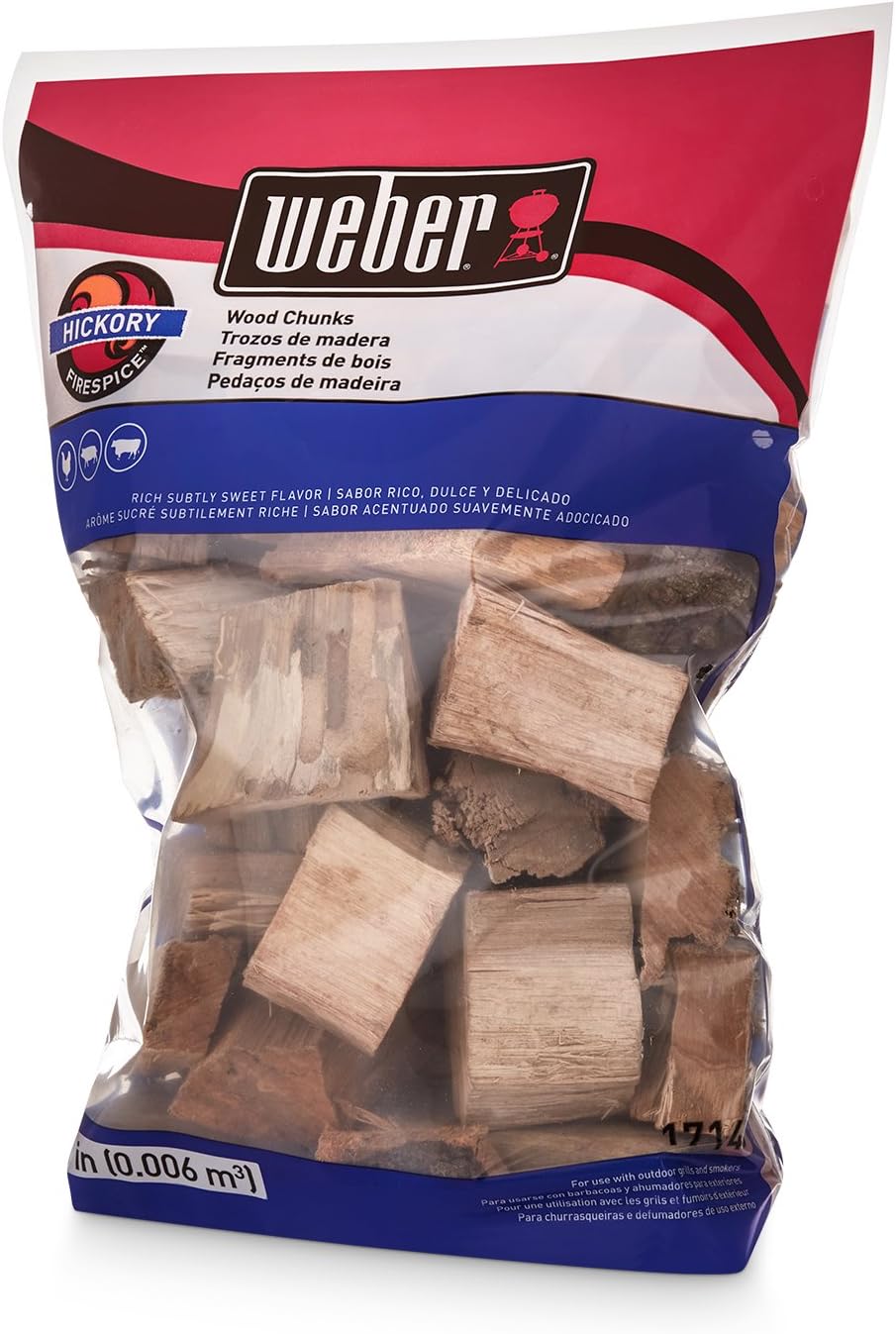
Weber Hickory Wood Chunks, 4 lb
budget-friendly
Fist-sized hickory chunks burn longer and cleaner than chips — the classic all-purpose smoking wood for beef, pork, and poultry.
Check Price on Amazon →Mastering Temperature: The Low-and-Slow Zone
Almost all barbecue lives in the 225-250°F range. That low temperature slowly renders fat and breaks down the tough collagen in cuts like brisket and pork shoulder into gelatin — which is what makes them tender. You control that temperature with airflow, not a dial: open the intake and exhaust vents to raise the heat, close them down to lower it. Make small adjustments and wait 15-20 minutes; chasing the temperature with big vent swings is the most common way beginners end up riding a roller-coaster.
Expect the stall: somewhere around 150-170°F internal, the meat's temperature flatlines for hours as surface moisture evaporates and cools it. This is normal. You can wait it out, or use the "Texas crutch" — wrapping the meat tightly in foil or butcher paper to push through the stall faster while keeping the bark intact.
Wood, Smoke, and the #1 Beginner Mistake
The biggest mistake new smokers make is too much smoke. You want thin blue smoke — wisps you can almost see through. Thick, white, billowing smoke deposits creosote and makes food taste bitter and acrid. If your fire is smothered and pouring out white smoke, it needs more airflow, not more wood.
Match wood to the meat: hickory and oak are all-purpose and classic for beef and pork; fruit woods (apple, cherry) are milder and great for poultry and pork; mesquite is intense and best used sparingly. And don't chase the pink smoke ring — it's a cosmetic chemical reaction, not a measure of flavor or doneness.
Common Beginner Mistakes to Avoid
- Opening the lid too often. Every peek dumps heat and smoke and adds time — "if you're lookin', you ain't cookin'."
- Cooking by time instead of temperature. Cuts finish by internal temp (brisket and pork shoulder are probe-tender around 200-205°F), not by the clock. A good instant-read or leave-in probe thermometer is essential.
- Trusting the dome thermometer. The built-in lid gauge can be off by 20-50°F from the grate where the meat sits. Verify with a separate probe at grate level.
- Skipping the rest. Resting the meat 30-60 minutes after the cook lets juices redistribute; slicing immediately spills them onto the board.
Frequently Asked Questions
What temperature should a smoker be?
For most low-and-slow barbecue, hold the smoker at 225-250°F. That range is hot enough to render fat and connective tissue over several hours but low enough to keep the meat tender and let smoke flavor develop. Some cooks run slightly hotter (around 275°F) to finish faster, which still produces great results on cuts like pork shoulder.
How much wood do you put in a smoker?
Less than you'd think. A few fist-sized chunks (or a tray of chips on an electric smoker) is enough to flavor a cook — you're after a thin, light smoke, not a constant heavy cloud. Too much wood makes food acrid and bitter. Add a little at the start and only top up occasionally on long cooks.
Should you wrap meat when smoking?
Often, yes — wrapping in butcher paper or foil (the 'Texas crutch') around the stall speeds up the cook and keeps the meat moist. Butcher paper keeps the bark firmer; foil is faster and softer. It's optional: unwrapped cooks build a heavier bark but take longer. Many people wrap brisket and pork shoulder but leave ribs to preference.
How do you know when smoked meat is done?
By internal temperature and feel, not time. Use a probe thermometer: ribs are done when they bend and the surface cracks (around 195-203°F), while brisket and pork shoulder are best when a probe slides in like butter, usually 200-205°F. Always rest the meat before slicing so the juices redistribute.
What temperature should I set my smoker to?
For most low-and-slow barbecue, hold 225-250°F and control it with the vents. Cuts like brisket and pork shoulder finish by internal temperature (around 200-205°F), not by the clock.
Should I wrap my meat while smoking?
Wrapping in foil or butcher paper (the 'Texas crutch') helps push through the stall faster and keeps the meat moist. Butcher paper keeps the bark firmer than foil; both shorten the cook.
Want to dig deeper? See our guides to Best Smokers (2026), Offset vs Pellet Smoker: Which Should You Buy?, and How to Smoke a Brisket.